Embracing Heritage: The Art of Handcrafted Design

In a world dominated by mass production and digital design, the allure of handcrafted items stands out more than ever. Handcrafted design is not just about the final product; it embodies a story, a tradition, and a connection to our cultural heritage. As consumers become more conscious of their choices, the demand for unique, handcrafted pieces is on the rise. This blog post explores the significance of handcrafted design, its benefits, and how embracing heritage can lead to a more sustainable and meaningful lifestyle.
The Significance of Handcrafted Design
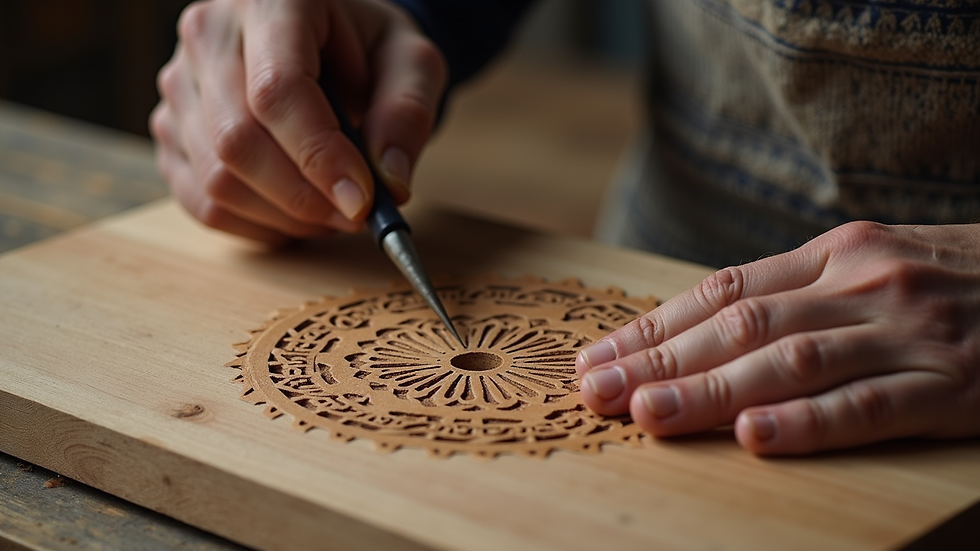
Handcrafted design is rooted in tradition and culture. Each piece tells a story, reflecting the artisan's skills, experiences, and the history of the materials used. Unlike mass-produced items, handcrafted goods often carry a unique charm and character that cannot be replicated.
Cultural Heritage
Handcrafted items often represent the cultural heritage of a community. For example, traditional pottery from Mexico or intricate textiles from India showcase the skills passed down through generations. These items not only serve a functional purpose but also preserve the cultural identity of the artisans and their communities.
Connection to Nature
Many handcrafted designs utilize natural materials, which fosters a deeper connection to the environment. Artisans often source their materials locally, supporting sustainable practices and reducing the carbon footprint associated with transportation. This connection to nature is increasingly important in a world facing environmental challenges.
The Benefits of Choosing Handcrafted Items
Choosing handcrafted items over mass-produced alternatives comes with numerous benefits, both for the consumer and the artisan.
Unique Quality
Handcrafted items are often of higher quality than their mass-produced counterparts. Artisans take the time to perfect their craft, ensuring that each piece is made with care and attention to detail. This results in products that are not only beautiful but also durable.
Supporting Local Economies
When you purchase handcrafted items, you are directly supporting local artisans and their communities. This helps to sustain traditional crafts and provides artisans with a fair income, allowing them to continue their work and pass on their skills to future generations.
Personal Connection
Handcrafted items often carry a personal touch that mass-produced items lack. When you buy a handcrafted piece, you are not just purchasing a product; you are investing in a story and a connection to the artisan. This personal connection can enhance the value of the item and create a sense of pride in ownership.
The Process of Handcrafted Design
Understanding the process behind handcrafted design can deepen your appreciation for these unique items. Here are some key steps involved in creating handcrafted goods:
Sourcing Materials
Artisans often begin by sourcing high-quality materials. This may involve foraging for natural resources, visiting local markets, or collaborating with suppliers who share their values. The choice of materials plays a crucial role in the final product's quality and aesthetic.
Skill and Technique
Each artisan has their own set of skills and techniques that they have honed over time. Whether it's woodworking, pottery, weaving, or metalworking, the craftsmanship involved in creating handcrafted items is often a labor of love. This dedication to the craft is what sets handcrafted items apart.
Design and Creation
Once the materials are sourced, artisans begin the design process. This may involve sketching ideas, creating prototypes, and refining their designs. The creation process can be time-consuming, but it allows artisans to ensure that each piece meets their standards of quality and beauty.
Finishing Touches
The final steps in the handcrafted design process often involve adding finishing touches that enhance the item's aesthetic appeal. This could include polishing, painting, or applying protective coatings. These details are what make each piece truly unique.
Embracing Heritage in Modern Design
As we move further into the 21st century, there is a growing movement to embrace heritage in modern design. This trend is evident in various fields, from fashion to home decor. Here are some ways that contemporary designers are incorporating handcrafted elements into their work:
Collaborations with Artisans
Many modern designers are collaborating with artisans to create unique pieces that blend traditional craftsmanship with contemporary aesthetics. These collaborations not only bring fresh ideas to the table but also help to preserve traditional skills and techniques.
Sustainable Practices
Embracing heritage often goes hand in hand with sustainable practices. Designers are increasingly focusing on using eco-friendly materials and ethical production methods. This shift towards sustainability is not only beneficial for the environment but also resonates with consumers who are looking for responsible choices.
Storytelling through Design
Modern designers are using storytelling as a key element in their work. By highlighting the cultural significance of their designs and the artisans behind them, they create a deeper connection with consumers. This approach not only adds value to the product but also fosters a sense of community and appreciation for heritage.
How to Incorporate Handcrafted Design into Your Life
If you're inspired to embrace handcrafted design in your own life, here are some practical tips to get started:
Explore Local Markets
Visit local artisan markets or craft fairs to discover unique handcrafted items. This is a great way to support local artisans and find one-of-a-kind pieces for your home or wardrobe.
Invest in Quality Over Quantity
When shopping, consider investing in fewer, high-quality handcrafted items rather than filling your space with mass-produced goods. This not only enhances your living environment but also supports artisans and sustainable practices.
Learn a Craft
Consider learning a craft yourself. Whether it's pottery, woodworking, or sewing, engaging in a hands-on creative process can deepen your appreciation for handcrafted design and connect you to your heritage.
Share the Story
When you purchase a handcrafted item, share its story with others. This not only honors the artisan's work but also raises awareness about the importance of supporting handcrafted design and preserving cultural heritage.
Conclusion
Embracing handcrafted design is more than just a trend; it is a movement towards sustainability, quality, and cultural appreciation. By choosing handcrafted items, you are not only supporting artisans and their communities but also enriching your own life with unique, meaningful pieces. As we navigate a world filled with mass production, let us celebrate the art of handcrafted design and the stories that come with it. Take the next step by exploring local artisans, investing in quality, and sharing the beauty of handcrafted design with others.
Comments